


Healthy teen relationships are built on mutual respect, trust, and open communication. These relationships foster a sense of individuality, belonging, and independence, making both partners feel safe and supported. Conversely, unhealthy relationships are characterized by control, dishonesty, jealousy, and disrespect, which can cause stress and isolation. They often involve manipulation or intimidation, leaving one or both partners feeling anxious and undervalued. Key indicators include respecting boundaries versus ignoring them and feeling comfortable versus feeling pressured or fearful. Understanding these distinctions helps teens build stronger connections and make informed choices about who they spend their time with.
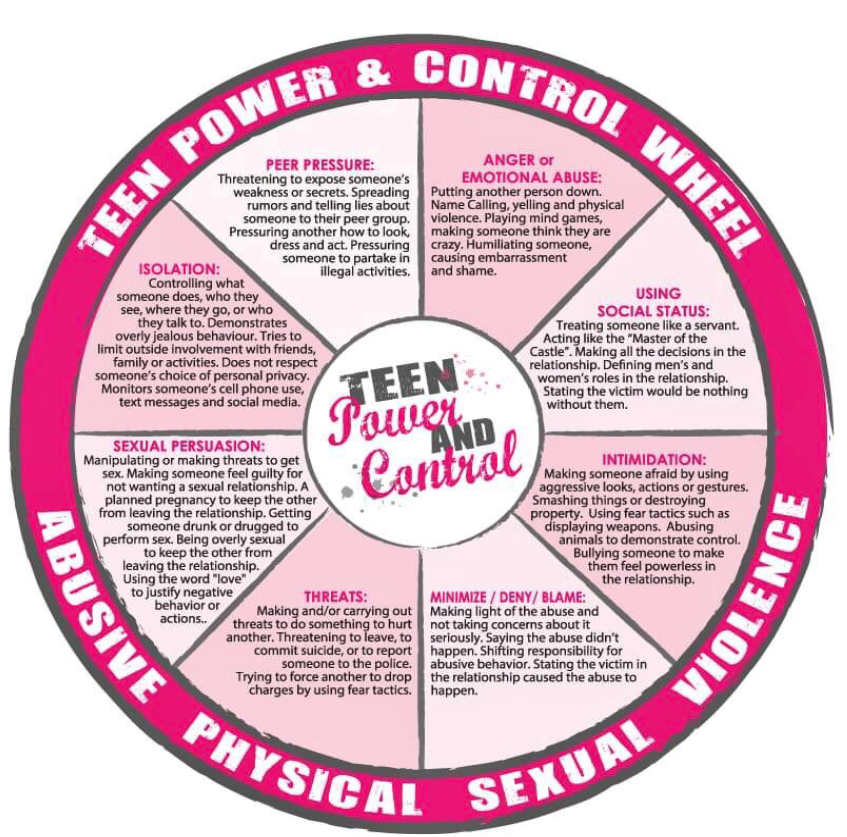 Key Indicators to Recognize
Recognizing the difference between healthy and unhealthy relationships is crucial. Healthy relationships respect boundaries, while unhealthy ones tend to ignore them. Partners in healthy relationships feel comfortable and safe, whereas those in unhealthy relationships often feel pressured or fearful. Understanding these signs empowers teens to build stronger connections and make informed decisions about their relationships.
Healthy Relationship Characteristics
- Communication & Trust: Partners talk openly about problems and trust each other.
- Respect & Support: Both people value each other's opinions, boundaries, and individuality.
- Independence: Each person has their own life, friends, and hobbies outside the relationship.
- Equality: Decisions are made together, rather than one person holding all the power.
- Safety: You feel safe, comfortable, and confident being yourself.
Unhealthy Relationship Red Flags
- Control & Isolation: A partner tries to control your actions, dictates who you see, or checks your phone.
- Dishonesty & Jealousy: Frequent lying or intense jealousy.
- Disrespect & Volatility: Constant fighting, yelling, or belittling.
- Pressure & Coercion: Being forced or pressured into sexual activity or doing things you don't want to do.
- Emotional/Physical Abuse: Threats, intimidation, or violence.
Key Differences at a Glance
Healthy Relationship
- Communication
- Open and honest
- Trust
- Mutual confidence
- Independence
- Encourages personal growth
- Boundaries
- Respected
- Feelings
- Safe, respected, happy
Unhealthy Relationship
- Dishonest, avoiding issues
- Jealousy and monitoring
- Isolates from friends/family
- Ignored or pushed
- Fearful, stressed, anxious
Major Warning Signs (Red Flags)
These behaviors are often used to gain power and control:
- Intensity: Excessive "love bombing" early on or constant over-the-top behavior.
- Isolation: Pressuring you to spend all your time with them and distancing you from others.
- Manipulation: Using guilt, threats, or gaslighting to influence your decisions.
- Boundary Crossing: Refusing to accept "no" regarding physical touch, sexual activity, or personal time.
- Volatility: Unpredictable overreactions that make you feel unsafe.
Steps if You’re Concerned
- Trust Your Gut: If a relationship makes you feel bad about yourself, it probably isn't healthy.
- Talk to Someone: Reach out to a trusted adult, counselor, or professional.
- Safety Planning: If you feel unsafe, create a plan with a professional or trusted mentor.
- External Resources: You can text "loveis" to 22522 or visit loveisrespect for confidential support.
Introducing education and prevention curriculum that focuses on the differences between healthy and unhealthy behaviors is essential for fostering lifelong well-being in students. By learning to recognize what constitutes healthy choices—such as balanced nutrition, regular physical activity, and positive social interactions—students gain the tools to make informed decisions that benefit their physical, mental, and emotional health.
Schools play a critical role in teaching these differences because early intervention can prevent the development of harmful habits and reduce the risk of chronic illnesses, substance abuse, and mental health issues. By equipping students with knowledge and practical skills, educators empower young people to navigate challenges, resist peer pressure, and build a foundation for a healthier future.
Moreover, a comprehensive curriculum helps create a supportive environment where healthy behaviors are normalized and encouraged. This approach not only benefits individual students but also contributes to the overall well-being of the school community, promoting positive outcomes that extend beyond the classroom.
- Safety and Violence Prevention: With 1 in 12 teens experiencing dating violence according to the CDC’s Youth Risk Behavior Survey, schools provide a critical intervention point to help students identify and recognize red flags like coercion, isolation, or intimidation—before they escalate into physical or emotional abuse.
- Academic Impact and Success: Positive connections are foundational to learning. Students in healthy environments and relationships with teachers and peers show higher motivation, better attendance, and improved grades. Conversely, unhealthy dynamics often lead to chronic stress, anxiety, and a decline in school performance.
- Media Literacy: A formal curriculum counteracts media tropes that romanticize toxic behaviors (e.g., obsessive jealousy), teaching students to value mutual respect over dramatized conflict.
- Skill Acquisition: Students gain practical tools for boundary setting, non-violent conflict resolution, and identifying safe exits from dangerous situations.
- Skill Development: When youth lack healthy relationship models at home, school-based curricula serve as a critical intervention by establishing a common language for interpersonal dynamics. Research highlights three core skills—insight, mutuality, and emotion regulation—as the foundation for romantic competence, enabling students to navigate both friendships and romantic interests effectively.
Key Reasons for the Curriculum
- Counteracting Media Misconceptions: Media often romanticizes toxic or unstable behaviors, such as obsessive checking in or excessive jealousy. A formal curriculum helps students distinguish between these dramatized versions of love and actual healthy behaviors like mutual respect and compromise.
- Building Essential Life Skills: Students learn practical skills, including:
- Boundary Setting: Learning how to say no and protect their own needs while maintaining respect for others.
- Conflict Resolution: Moving away from coercive tactics toward clear communication and non-violent problem-solving.
- Safe Exits: Providing the resources and confidence to safely end an unhealthy relationship before it escalates.
- Improving Academic and Social Outcomes: Improved academic, behavioral, and social outcomes, acting as a crucial driver for student engagement, higher grades, better attendance, and reduced disciplinary issues. When students feel safe and valued, they exhibit increased motivation, better social-emotional skills, and higher academic performance.
- Long-term Health Impact: The benefits extend into adulthood; individuals taught these skills early are less likely to experience domestic abuse as adults and often report better overall physical and mental health into their mid-twenties.
Overall, teaching these skills creates a common language for students who may lack healthy relationship models at home. Ensuring that the habits formed in Caldwell County classrooms lead to reduced
rates of domestic abuse and better mental health in adulthood.
If you or someone you know is experiencing an unhealthy or abusive relationship, it’s important to reach out for help. Talking to a trusted adult, counselor, or mental health professional can provide guidance and support. Additionally, when discussing these issues with a teen, approach the conversation with empathy and encourage open dialogue to help them recognize warning signs and seek assistance.